The Olive Plaster Renaissance: Earth Pigments & Raw Travertine

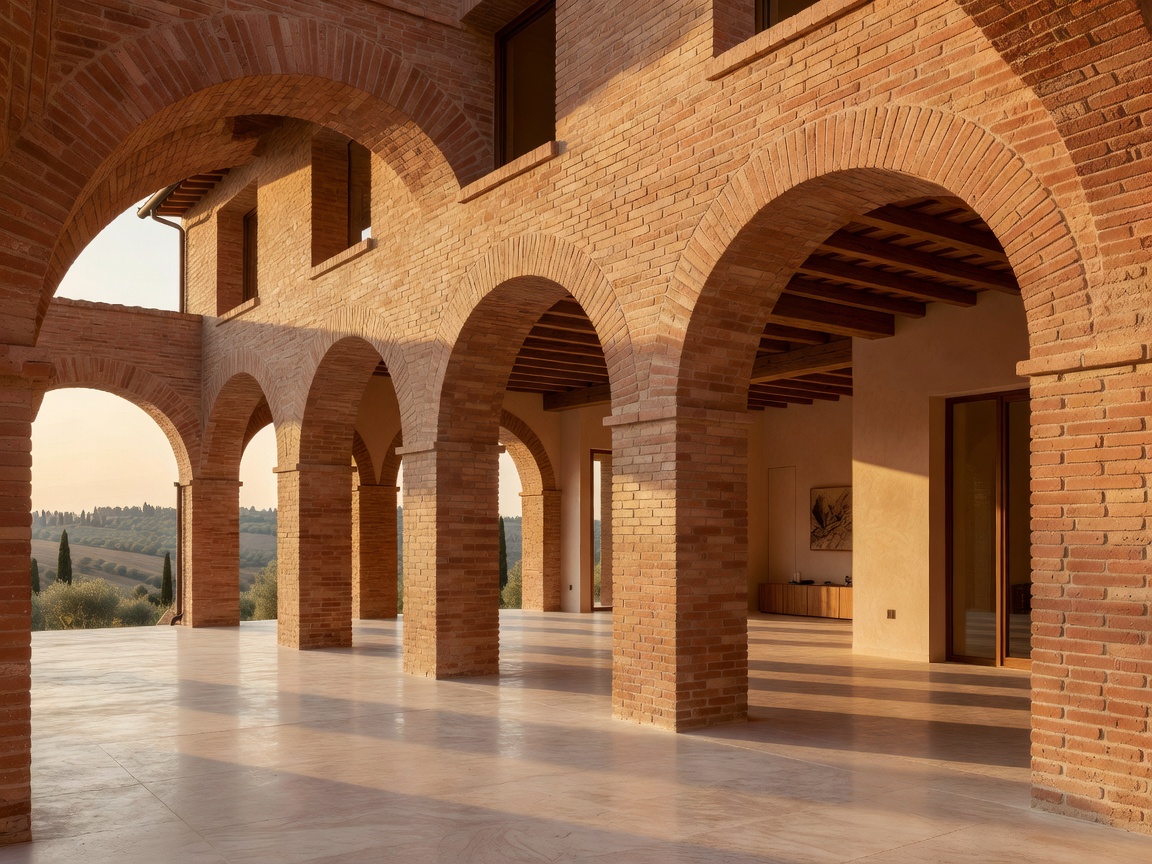
Throughout the hills of Umbria and northern Tuscany, farmsteads constructed in the 17th century reveal a quiet architectural secret: their interior plaster walls were not brightened with harsh chemical whitewashes. Instead, artisans suspended raw terra verde (green earth) and ground olive pit ash into slaked lime putty. The outcome was a soft, breathable olive envelope that absorbs intense Mediterranean solar glare without flattening into shadow.
1. The Geological Chemistry of Green Earth Limewash
Unlike synthetic latex emulsions that seal drywall behind a suffocating film of plastic polymers, authentic olive mineral plaster cures by absorbing atmospheric carbon dioxide over years. As air passes through the microscopic pores of slaked lime, light refracts through calcite crystals, producing subtle, cloudy variations in depth. When paired with the deep warm earth tones of terracotta floor pavers, olive plaster prevents visual fatigue.
The Olive-Travertine Rule of Proportion
"Limit high-contrast whites to no more than 5% of the total spatial envelope. Dedicate 50% to earthy olive and sage lime washes, 30% to unlacquered travertine and porous limestone, and 15% to fired cotto tiles or warm terracotta."
2. Pairing Monolithic Travertine with Deep Olive
Travertine is the natural counterpart to olive surfaces. When specifying travertine, avoid polished filler surfaces that look like artificial laminate. Demand cross-cut, open-vein slabs that retain their cavities. The honeyed oat tones of the stone create a soothing architectural resonance with soft olive walls, while custom low-profile seating keeps the ceiling plane airy.
The Tuscan Monolith Coffee Plinth
Carved from single-quarry Tivoli Roman travertine with unfinished open voids and hand-beveled edges. Pairs effortlessly against olive lime washes and heavy bouclé chaises.
Conclusion: Reclaiming Spatial Permanence
A home coated in organic olive plaster does not look dated five years after completion. Instead, light deepens in its textured ridges, morning sun glows with amber tranquility, and modern life slows to an unhurried, grounded cadence.