Acoustic Silence: Designing Tactile Wabi-Sabi Sanctuaries

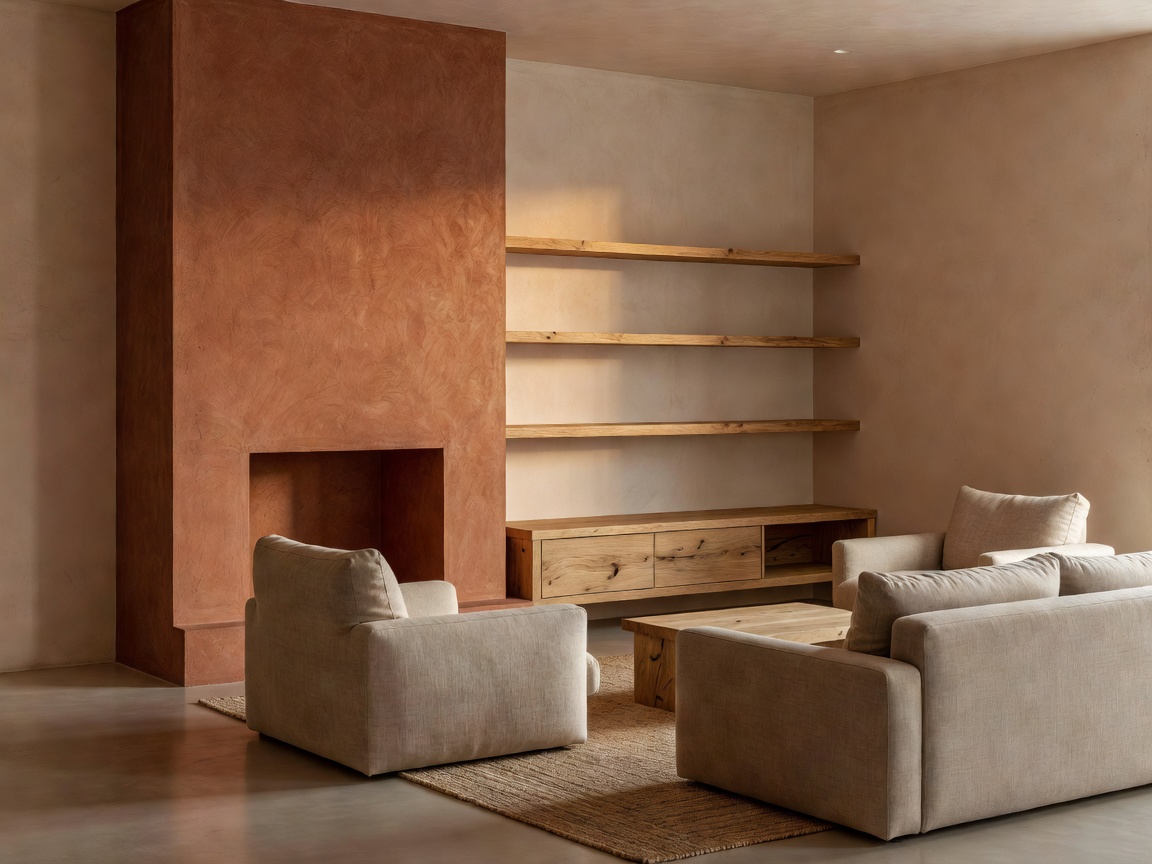
In open-plan contemporary residential developments, the most pervasive invisible pollutant is not volatile organic compounds or insufficient ventilation—it is sonic reverberation. Hard, flat gypsum drywall and polished porcelain flooring reflect sound waves dozens of times before they decay. The subconscious mind continuously tracks this high-frequency echo, leaving the autonomic nervous system in low-level fight-or-flight agitation.
1. Why Textured Walls Break High-Frequency Echoes
The Japanese philosophy of Wabi-Sabi embraces irregularity, impermanence, and porous surfaces. When walls are finished with rough, textured mineral stuccos or olive limewashes rather than ultra-smooth paint, incoming sound waves strike microscopically uneven planes. Instead of bouncing sharply across the room, the sonic energy scatters and dissipates naturally.
The 3-Element Acoustic Absorption Formula
"Combine deep-pile unbleached organic jute on floors, heavily gathered sheer linen draperies spanning ceiling to floor, and open grain timber furniture. Sound reverberation times plummet from 1.4 seconds to an idyllic 0.4 seconds."
2. Grounding Low Sightlines: The Japanese Slat Tradition
Furniture height exerts tremendous acoustic influence. Elevated furniture silhouettes allow sound waves to bounce unobstructed beneath chairs and sofas. Conversely, low-rise platform modulars and solid timber plinths act as physical sound dampeners. Interspersing cedar or ash slatted room dividers interrupts drafts and acoustic corridors without blocking sightlines or warmth.
The Healing Power of Visual Stillness
When acoustic peace is restored to a home, inhabitants notice their speech cadence softening within hours. Breathing slows. Rest deepens. By harmonizing earthy olive and terracotta finishes with acoustic mindfulness, we transform our apartments from echo chambers into sacred restorative sanctuaries.