The Sage Sanctuary: Science-Backed Biophilic Living Spaces

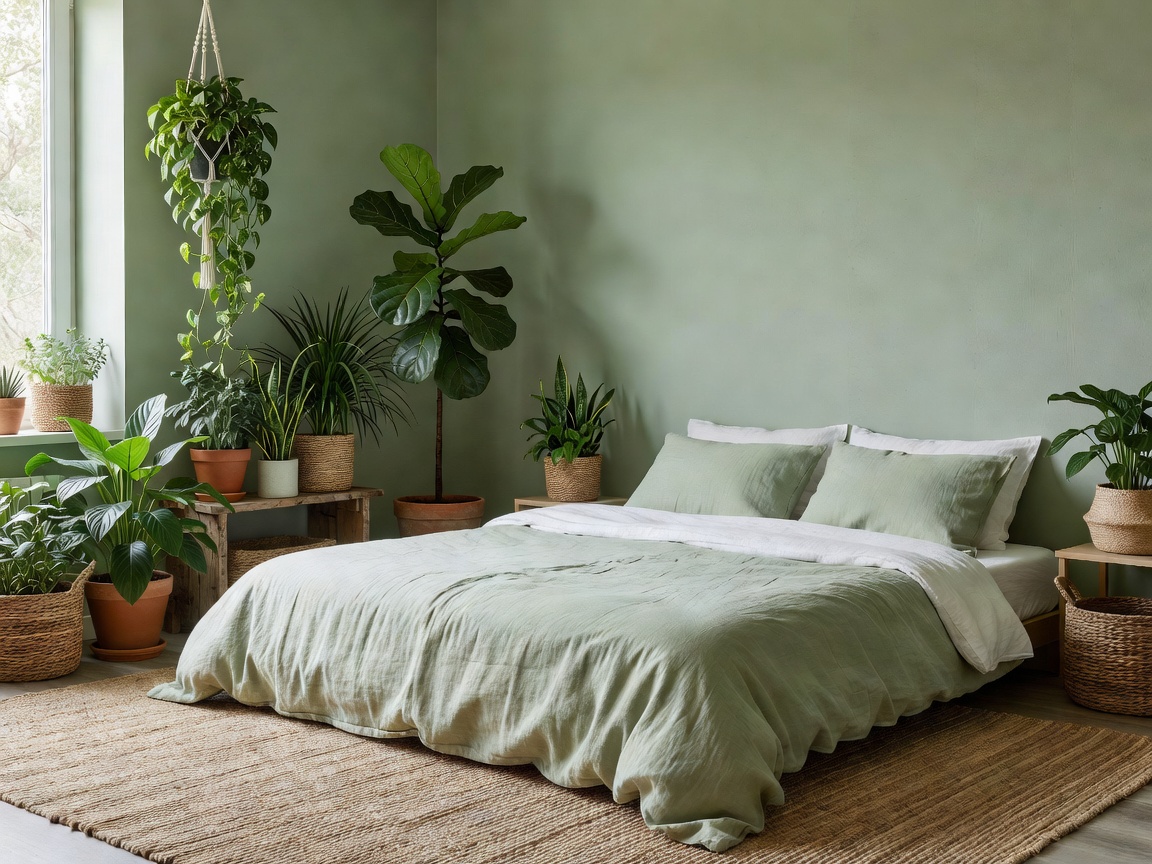
Human sensory apparatus evolved across hundreds of thousands of years within dynamic, vegetative surroundings. When we spend over 90% of our daily lives surrounded by synthetic drywall, cold monitor screens, and plastic veneers, the human autonomic nervous system remains in low-level hyper-vigilance. The solution is biophilic design grounded in botanical hues and organic matter.
1. The Wavelength of Sage: Why Our Eyes Settle
Unlike artificial blues or clinical stark whites, sage green sits directly at the visual spectrum where retinal cones experience minimal muscular accommodation strain. Incorporating matte sage wall glazes paired with mustard ochre or clay accents cues subconscious safety and resource abundance.
2. Light Layering and Circadian Alignment
Biophilic design requires dynamic illumination. Install sheer organic linen draperies to diffuse midday sun, preventing glare while casting gentle leaf shadows against chalk-finish walls. After twilight, light should only emerge from eye level or below, employing warm 2400K parchment lamps to foster melatonin release.